

Bus and bike lane cameras reach Foster, California and Pershing first. The ordinance left the order to City departments
CBS Chicago reports the City's rollout schedule for Smart Streets, with three corridors in the first half of 2027. The Council's 49-0 ordinance dropped the pilot's boundaries and its end date, and set no map of its own.
Camera enforcement of bus and bike lanes will reach Foster Avenue, California Avenue and Pershing Road first, between January and June 2027, CBS Chicago reported Friday. Devon Avenue, Pulaski Road and 51st Street follow in a later phase, and the City expects full citywide coverage in 2028, according to CBS.
Why it matters: Smart Streets uses cameras on CTA buses and City vehicles to photograph vehicles parked or standing in bus lanes, bike lanes and other no-parking spots. Until now, it covered mostly downtown and nearby neighborhoods. If you drive, park or deliver along these corridors, the rules don't change, but the odds of a mailed ticket do.
Advertisement
What the coverage found
The City says 84% of drivers who got a warning during the test never got another violation, CBS reported. Large delivery companies have paid nearly $460,000 in fines since the pilot began. The program has collected about $3 million in all, and supporters project $12.8 million next year, CBS said. A CTA spokesperson told CBS that each vehicle blocking a bus lane or stop slows service by about 13 seconds.
"It helps correct behavior," Ald. Andre Vasquez (40th), the lead sponsor, told CBS.
What our records add
The vote. The Council passed Vasquez's ordinance, SO2026-0028833, 49 to 0 on Oct. 14, with 29 co-sponsors. Ald. Monique Scott (24th) did not vote. The Mayor signed it the same day.
How each ward voted
49 yea, 1 not voting · Oct 14, 2026 · Passed
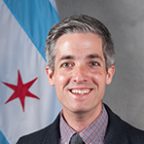 1Daniel La Spata: Yea
 2Brian Hopkins: Yea
 3Pat Dowell: Yea
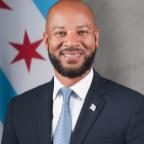 4Lamont J. Robinson: Yea
 5Desmon C. Yancy: Yea
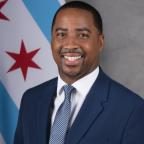 6William E. Hall: Yea
 7Gregory I. Mitchell: Yea
 8Michelle A. Harris: Yea
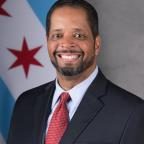 9Anthony Beale: Yea
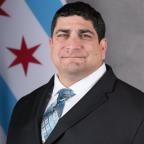 10Peter Chico: Yea
 11Nicole T. Lee: Yea
 12Julia M. Ramirez: Yea
 13Marty Quinn: Yea
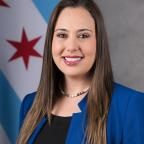 14Jeylú B. Gutiérrez: Yea
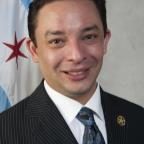 15Raymond A. Lopez: Yea
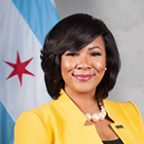 16Stephanie D. Coleman: Yea
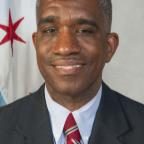 17David H. Moore: Yea
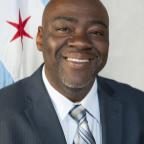 18Derrick G. Curtis: Yea
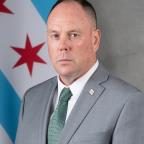 19Matthew J. O'Shea: Yea
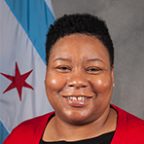 20Jeanette B. Taylor: Yea
 21Ronnie L. Mosley: Yea
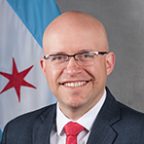 22Michael D. Rodriguez: Yea
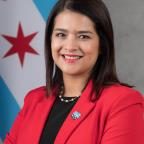 23Silvana Tabares: Yea
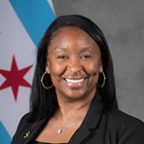 24Monique L. Scott: Not voting
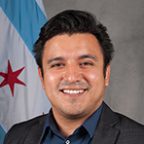 25Byron Sigcho-López: Yea
 26Jessica L. Fuentes: Yea
 27Walter R. Burnett: Yea
 28Jason C. Ervin: Yea
 29Chris Taliaferro: Yea
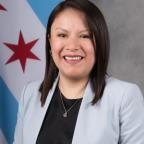 30Ruth Cruz: Yea
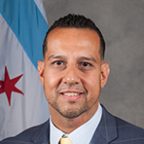 31Felix Cardona Jr.: Yea
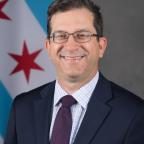 32Scott Waguespack: Yea
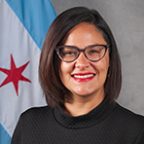 33Rossana Rodríguez Sánchez: Yea
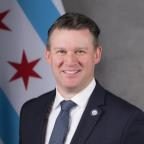 34William Conway: Yea
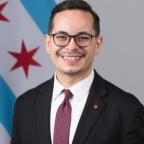 35Anthony J. Quezada: Yea
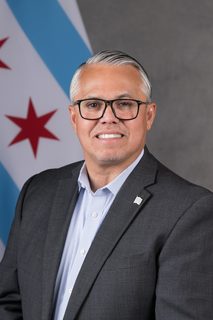 36Gilbert Villegas: Yea
 37Emma Mitts: Yea
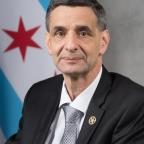 38Nicholas Sposato: Yea
 39Samantha Nugent: Yea
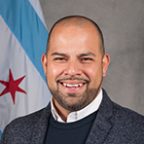 40Andre Vasquez Jr.: Yea
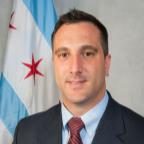 41Anthony V. Napolitano: Yea
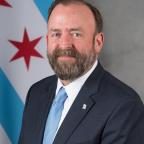 42Brendan Reilly: Yea
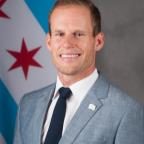 43Timothy R. Knudsen: Yea
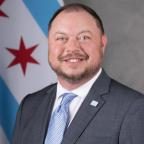 44Bennett R. Lawson: Yea
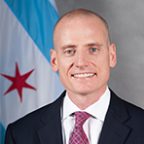 45James M. Gardiner: Yea
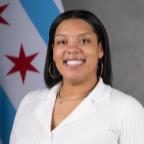 46Angela Clay: Yea
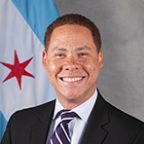 47Matthew J. Martin: Yea
 48Leni Manaa-Hoppenworth: Yea
 49Maria E. Hadden: Yea
 50Debra L. Silverstein: Yea
SO2026-0028833: the roll call, the timeline and the documents
What the ordinance changed. The substitute ordinance that passed:
Advertisement
- Deletes the pilot area. The old law limited cameras to a zone bounded roughly by Irving Park Road, Ashland Avenue, Archer Avenue, 26th Street, Roosevelt Road and the lake. That boundary is struck, so the program can operate anywhere in the City.
- Deletes the end date. The pilot had been set to expire Dec. 21, 2026. That section is removed.
- Keeps the warning. A vehicle's first violation still brings a mailed warning, not a fine. Any new camera system also starts with a 30-day period of warnings only.
- Lets departments set the order. The Transportation and Finance departments are to roll it out "in a phased manner," prioritizing locations by need, traffic and safety conditions, and the concentration of transit and bike infrastructure. The ordinance names no streets.
- Keeps the reports. The two departments must report to the Council's Pedestrian and Traffic Safety Committee every quarter, including on ticketing "as they affect different population groups and geographic areas."
So the corridor list CBS reported is the departments' plan, not a Council decision. Members will see how it is working through those quarterly reports.
What members heard before voting. At a Sept. 15 committee hearing, City staff said the pilot area had grown from about 8 to 18 square miles and that about 140,000 warnings and violations had been issued, 75% of them warnings, as we reported last month. Our Oct. 16 story covers the passage.
Where the first corridors run. Foster Avenue (5200 North), California Avenue (2800 West) and Pershing Road (3900 South) are long arterials that each pass through several wards. Use our ward lookup to see your alderperson.
What's next
- January to June 2027: Foster, California and Pershing, under the schedule CBS reported.
- Later phases: Devon, Pulaski and 51st Street.
- Every quarter: the departments' report to the Pedestrian and Traffic Safety Committee. We will post them on the committee's page as they're filed.